Federal Criminal Defense Attorney

A federal charge can change the way your whole life feels in one conversation. Maybe agents came to your home. Maybe you received a target letter, a subpoena, or a call from someone saying your name came up in an investigation. Maybe you have already been arrested, and now your case is in federal court instead of state court. McCoy Law Group represents clients facing serious criminal matters, including cases tied to South Carolina and the federal courts. A federal criminal defense attorney at our firm can help you slow the pressure down and understand what the government is trying to prove before you make decisions that affect your future.

https://mcc.gcm.codes/wp-content/uploads/2022/05/about_inner_01.jpg

When a Federal Charge Puts Everything at Risk

Federal cases feel different because the investigation usually starts long before an arrest. By the time you hear from agents, prosecutors may already have records, surveillance, witness statements, financial documents, phone data, emails, or cooperation from someone else involved in the case.
A federal criminal defense attorney reviews what has happened so far, what the government may already have, and what needs to be protected right away. That may include your statements, search issues, bond conditions, grand jury activity, digital evidence, and whether the case may involve sentencing guidelines or mandatory penalties.

How a Federal Criminal

Defense Attorney Can Help

Federal Investigation Status

The firm looks at whether you are a witness, subject, target, or charged defendant so the response matches the real level of risk.

Arrest and Bond Issues

Federal bond hearings can affect travel, work, housing, family contact, weapons possession, and daily movement while the case is pending.

Search and Seizure Questions

Search warrants, vehicle stops, phone downloads, home searches, business records, and seized property may raise issues that affect the government’s evidence.

Grand Jury and Subpoenas

A subpoena or grand jury request should be reviewed before records are produced or statements are made to investigators.

Statements to Agents

What you say to federal agents can become evidence. McCoy Law Group reviews what was said, when it was said, and under what circumstances.

Sentencing Exposure

Federal sentencing can involve guideline calculations, enhancements, criminal history, mandatory minimums, cooperation issues, and arguments for a lower sentence.

What Makes a Federal Case Different From a State Case

Federal criminal cases do not start in a local South Carolina courtroom. They move through the United States District Court, often after federal agencies have already spent weeks or months reviewing records, surveillance, witness statements, financial documents, search results, or controlled buys.

By the time you learn charges are coming, the government may already be several steps ahead. A federal criminal defense attorney can help you understand what the government is relying on, what needs to be challenged, and what decisions should not be made too quickly.

Types of Federal Criminal Cases

Federal charges depend on the agency involved, the evidence collected, and whether prosecutors believe the conduct crossed state lines, involved federal property, or triggered a federal statute.
Federal Drug Charges

Federal drug cases may involve distribution, conspiracy, trafficking, fentanyl, cocaine, methamphetamine, controlled buys, wiretaps, informants, or search warrants.

White Collar Crimes

Fraud cases may involve wire fraud, bank fraud, healthcare fraud, tax issues, false statements, business records, or financial transactions.

Federal Firearm Charges

Gun cases may involve possession by a prohibited person, firearms tied to drug charges, stolen weapons, or alleged use of a firearm during another offense.

Internet and Computer Crimes

Digital cases may involve online communications, device searches, IP records, cloud accounts, financial platforms, or allegations involving electronic evidence.

Conspiracy Charges

A conspiracy charge may bring several people into one case, even when each person’s role, knowledge, and involvement look very different.

Federal Appeals and Post-Conviction Issues

Some clients need review after conviction or sentencing, including trial errors, plea concerns, guideline disputes, or issues preserved for appeal.

https://mcc.gcm.codes/wp-content/uploads/2022/04/floating_image_02.png

Why South Carolina Contact Call McCoy Law Group

Former Prosecutor Insight
Peter McCoy has handled serious criminal cases from the prosecution side, giving clients a practical view of how charging decisions may be built.
Federal Court Experience
Federal cases require a different level of preparation. McCoy Law Group reviews the indictment, discovery, agency records, and sentencing exposure with care.
Charleston-Based Counsel
The firm is based in Charleston and represents clients facing serious criminal charges across South Carolina, including federal matters tied to the Lowcountry.
Direct Case Review
Clients need straight answers early. A federal criminal defense attorney looks at the facts, court deadlines, evidence concerns, and risks before strategy decisions are made.
https://mcc.gcm.codes/wp-content/uploads/2025/12/ABOUT_Body-ac832ce1-811h.webp

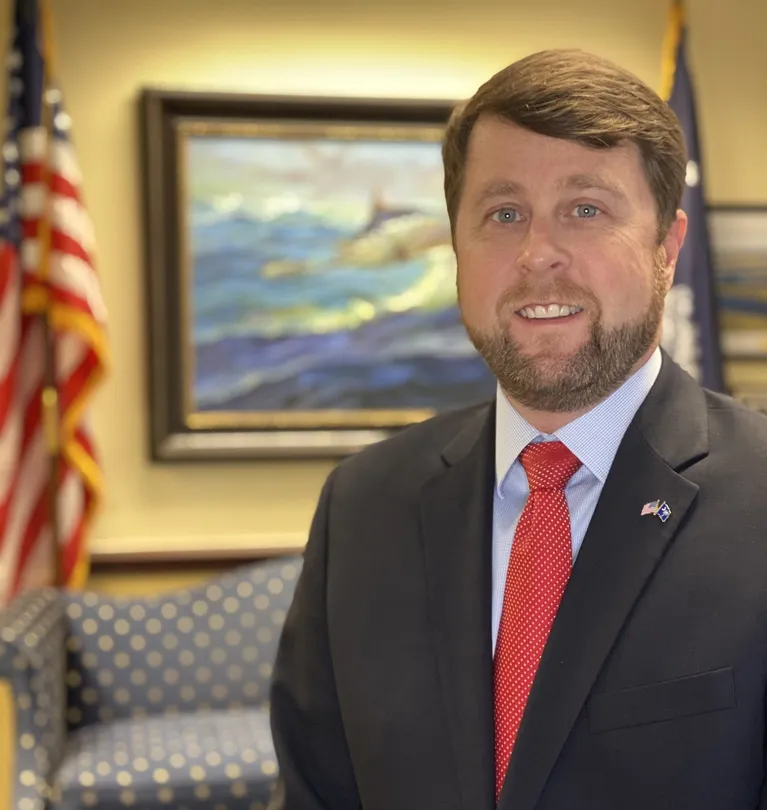
For over two decades, former United States Attorney Peter McCoy has been the trusted attorney in times of need.

Talk With a Federal Criminal Defense Attorney

If federal agents have contacted you, or if you have already been charged, waiting can make the case harder to control. A federal criminal defense attorney at McCoy Law Group can review what happened, explain the court process, and help you decide what to do before the next deadline arrives.

What to Bring to Your First Federal Criminal Defense Consultation

01

Any indictment, complaint, summons, subpoena, target letter, or court notice

02

The names of any agencies, agents, or prosecutors who contacted you

03

Bond paperwork, release conditions, or upcoming court dates

04

Search warrants, seizure receipts, or inventory forms

05

Messages, emails, business records, financial records, or phone data tied to the case

You do not need every document before speaking with a lawyer. Bring what you have. McCoy Law Group can help identify what else may need to be reviewed.

FAQs About Federal Criminal Defense in South Carolina

What should I do if federal agents want to speak with me?

Be careful about speaking before you understand your position in the investigation. Federal agents may already have records, statements, or other evidence. A lawyer can help you decide whether to respond, how to respond, and what risks may come with an interview.

Are federal charges more serious than state charges?

Federal charges can carry serious penalties, sentencing guideline issues, mandatory minimums, and strict court deadlines. The seriousness depends on the charge, evidence, criminal history, and whether the case involves drugs, firearms, fraud, conspiracy, or another federal offense.

Where are federal criminal cases heard in South Carolina?

Federal criminal cases in South Carolina are handled through the United States District Court for the District of South Carolina. Charleston has federal court locations at the J. Waties Waring Judicial Center and the U.S. District Courthouse.

Why hire a Federal criminal defense attorney early?

Early help can affect statements, bond conditions, document production, search issues, plea discussions, and sentencing exposure. The sooner the case is reviewed, the sooner your lawyer can identify what the government has and what needs to be challenged.


https://mcc.gcm.codes/wp-content/uploads/2025/11/McCoy_Logo2-432w-1.webp
Peter served his entire tenure in the SC House on the Judiciary Committee where he later was elected unanimously by his legislative colleagues to serve as Chairman. Peter also served on the Judicial Merit Selection Committee as well as the Colleges and University Selection Committee.